Gluten-Free Cuisine Risk Guides
Cuisine type does not decide whether a restaurant works for you. It tells you which ingredients, equipment, preparation steps, and kitchen habits to investigate first.
A gluten-free symbol can tell you how a restaurant describes an item. It does not explain how that item is stored, prepared, cooked, plated, or served.
That is why cuisine type matters.
Chinese restaurants raise questions about soy sauce, marinades, cooking wine, shared woks, and fryers. Italian restaurants raise questions about pasta water, flour-heavy preparation areas, pizza ovens, bread service, and sauces. Bakeries, diners, steakhouses, coffee shops, airports, resorts, buffets, and fast-food restaurants each have different risk patterns.
These guides are not restaurant certifications or guarantees. They are practical starting points for understanding where gluten may enter a meal and whether a particular kitchen can control the process well enough for your needs.
The goal is not to declare an entire cuisine safe or unsafe. The goal is to know where to look, what to ask, and when an answer is too vague to rely on.
Start With the Guides We Have Built
These completed guides examine the ingredients, equipment, workflow, and questions most likely to matter in each cuisine.
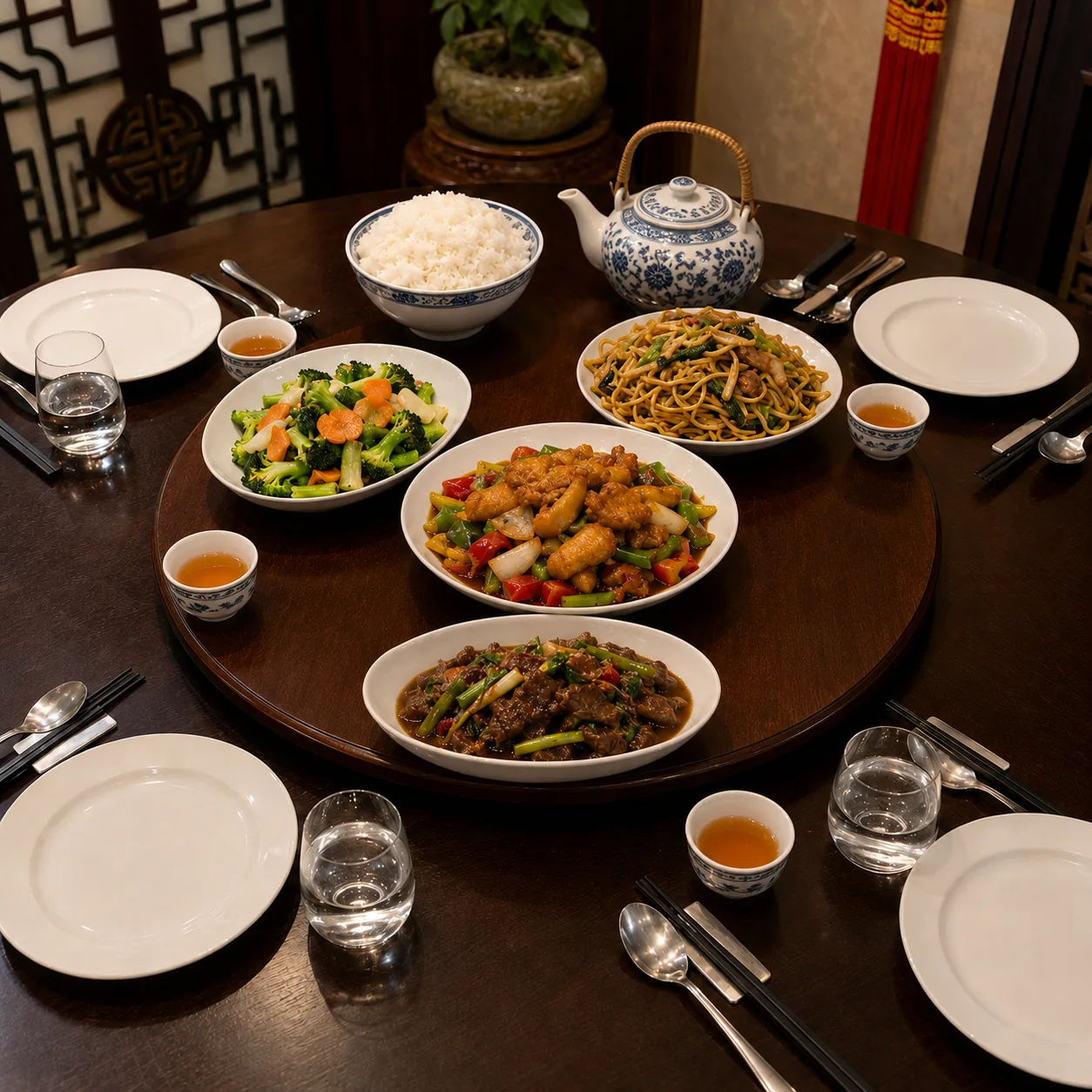
Chinese Food and Gluten
Chinese restaurant meals may involve regular soy sauce, dark soy sauce, oyster sauce, cooking wine, premixed sauces, advance-marinated proteins, shared woks, shared utensils, and fryer oil.
The guide explains why changing one sauce at the end may not address what happened earlier and which preparation questions reveal whether the kitchen has a workable process.


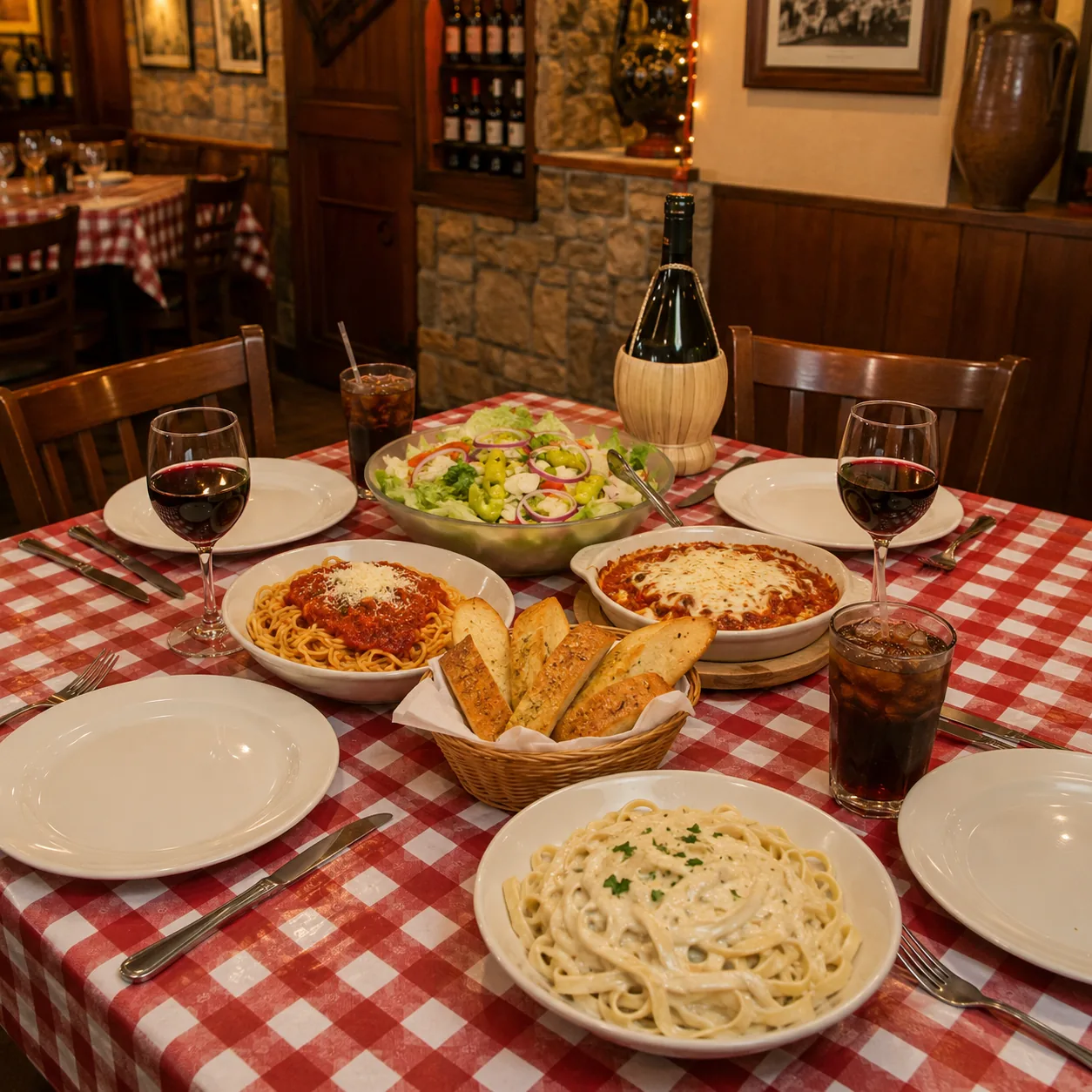
How to Eat Gluten-Free at an Italian Restaurant
Italian restaurants may offer gluten-free pasta or pizza, but the replacement item is only one part of the decision.
Pasta water, colanders, flour-heavy preparation areas, pizza ovens, peels, toppings, bread service, sauces, and shared surfaces can all change the practical risk.
The Core Problems Behind Most Cuisine Risks
Cuisine-specific ingredients matter, but the same operational problems appear across many restaurant types.
A Gluten-Free Menu Is Only a Starting Point
A gluten-free menu can identify dishes the restaurant believes can be prepared without gluten-containing ingredients. It does not automatically explain how those dishes move through the kitchen.
The useful questions begin after the menu label:
- Was the protein already marinated?
- Is the sauce prepared in advance?
- Are cooking surfaces or utensils shared?
- Is fryer oil shared with breaded food?
- Can the kitchen describe how the order will be handled?
Read Restaurant Cross-Contact: Why Gluten-Free Menus Are Not Enough →
Shared Fryers Require Their Own Question
French fries, tortilla chips, wings, seafood, egg rolls, vegetables, and other foods may begin without gluten-containing ingredients.
If they are cooked in oil shared with breaded or battered food, the fryer becomes part of the decision. A separate basket does not create separate oil.
Read Shared Fryers and Gluten-Free Food: What Actually Matters →

Clear Kitchen Limits Are Useful
A restaurant does not need to promise that it can handle every request. A clear explanation that a fryer is shared, a sauce cannot be changed, or a flour-heavy line cannot be controlled may be more useful than a confident but unsupported answer.
Restaurants that take gluten-free requests seriously tend to explain both what they can do and what they cannot control.
Read Support the Restaurants That Take Gluten-Free Seriously →
Use Cuisine Type as a Risk Map
A cuisine label cannot tell you whether a meal works for you. It can tell you which parts of the kitchen deserve attention first.
Start with the cuisine pattern. Then verify the actual restaurant, ingredients, equipment, staff knowledge, and conditions during your visit.
Cuisine and Restaurant Guides We Are Building Next
Some future pages will cover a cuisine. Others will focus on a restaurant type because the kitchen workflow matters more than the menu category.
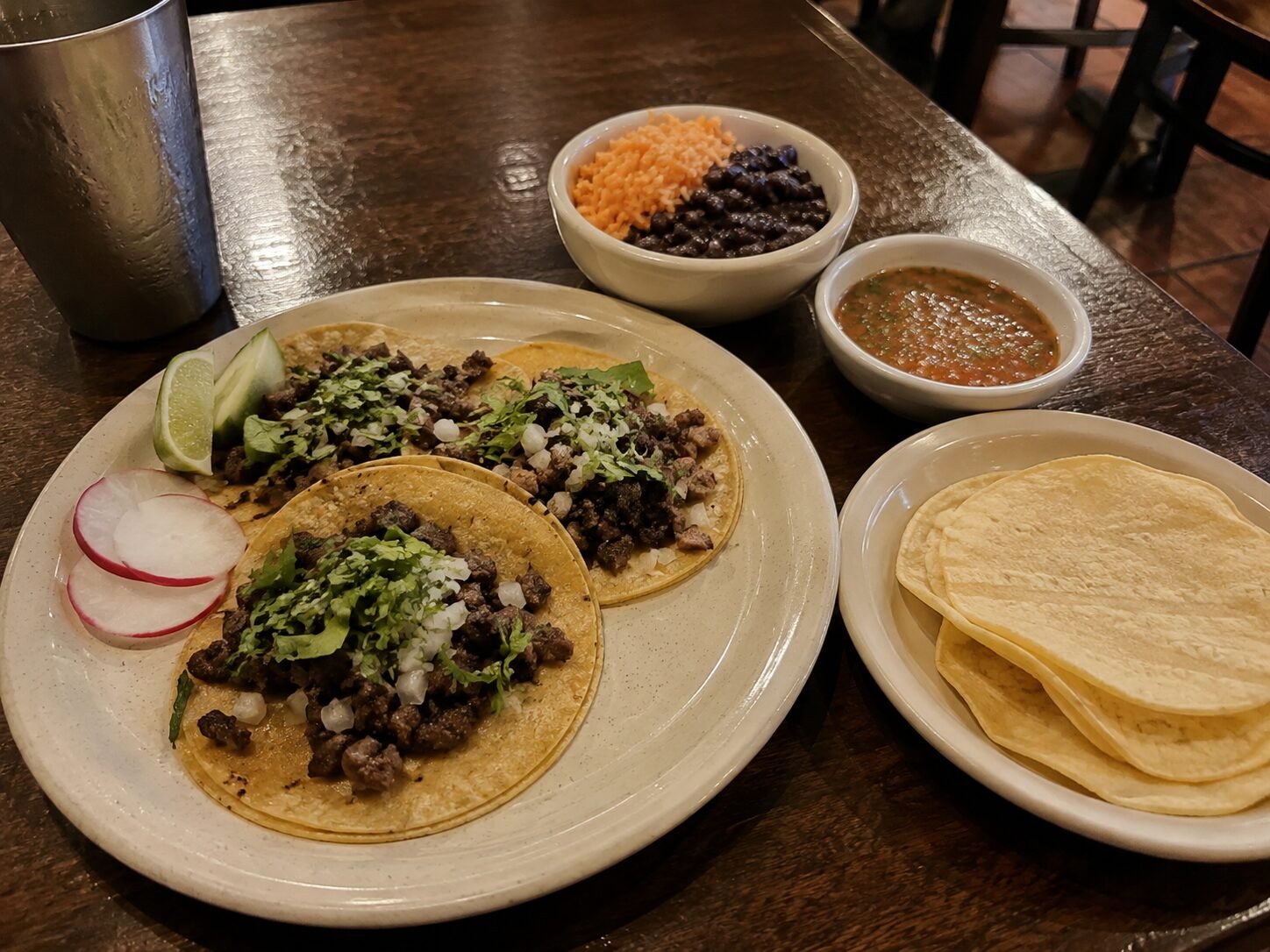
Mexican Restaurants
Tortilla chips, shared fryers, flour tortillas, marinades, sauces, seasoning blends, and shared preparation surfaces are the major questions.
Thai Restaurants
Soy sauce, oyster sauce, curry pastes, fried items, noodle preparation, ingredient verification, and communication gaps can change the risk quickly.
Japanese and Sushi Restaurants
Soy sauce, imitation crab, tempura, marinades, eel sauce, shared boards, and staff assumptions are common risk points.
Indian Restaurants
Many dishes may begin with naturally gluten-free ingredients, but breads, fried items, spice blends, thickeners, shared prep, and buffet service still matter.
Mediterranean and Greek Restaurants
Grilled meats, rice, salads, dips, pita, marinades, fries, shared grills, and preparation areas require separate questions.
BBQ and Smokehouses
Sauces, rubs, sides, fryer use, bread handling, seasonings, and shared cutting or serving equipment can affect otherwise simple-looking meals.
Pizza Places
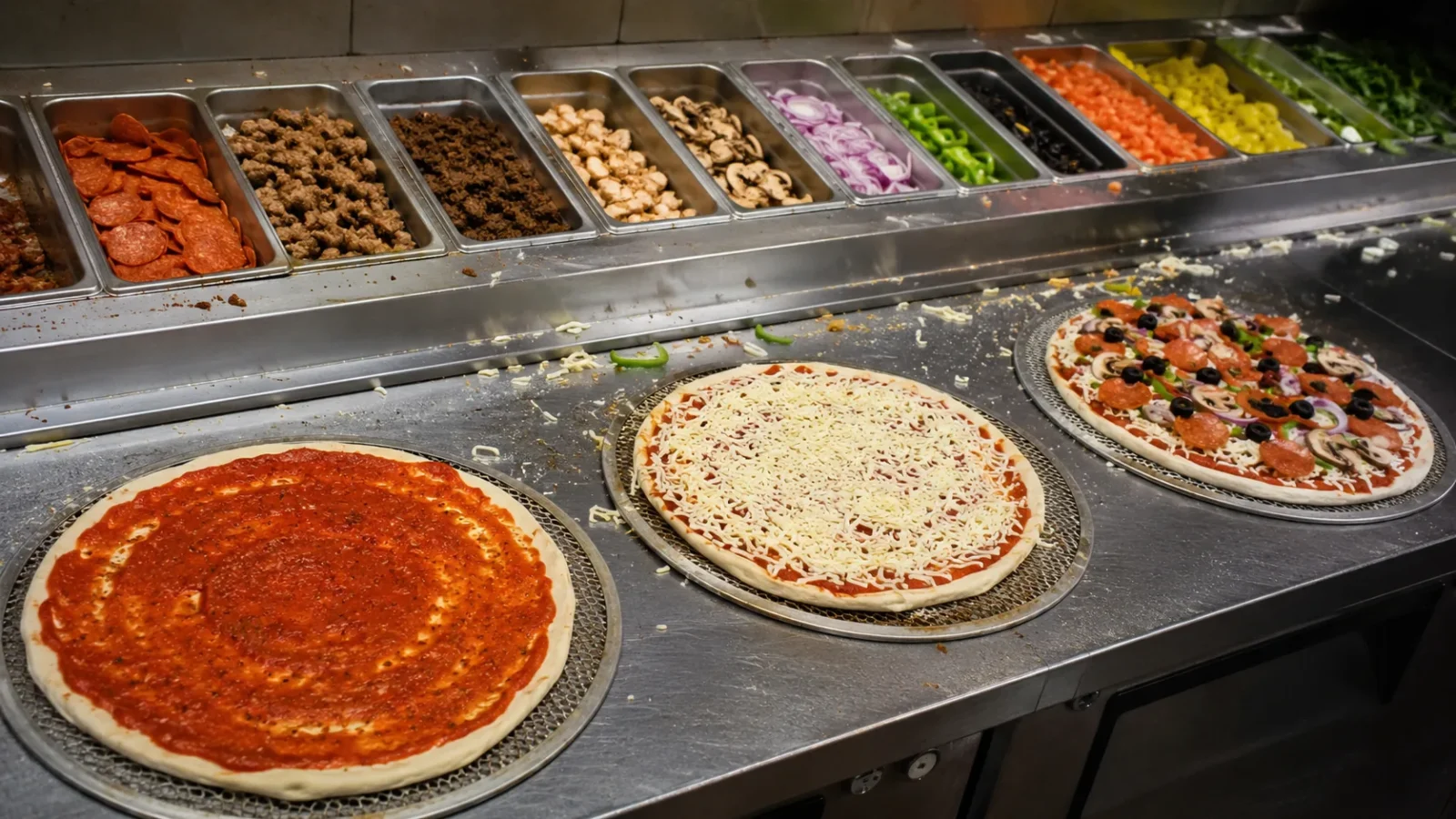
Regular flour, shared prep counters, toppings, ovens, screens, pans, and peels can make a gluten-free crust only one part of the problem.
Bakeries
A gluten-free item made inside a flour-heavy bakery is not the same as an item produced in a dedicated gluten-free facility.
Sandwich Shops
Shared boards, knives, gloves, toasters, toppings, crumbs, and rushed service can undermine an otherwise suitable gluten-free bread option.
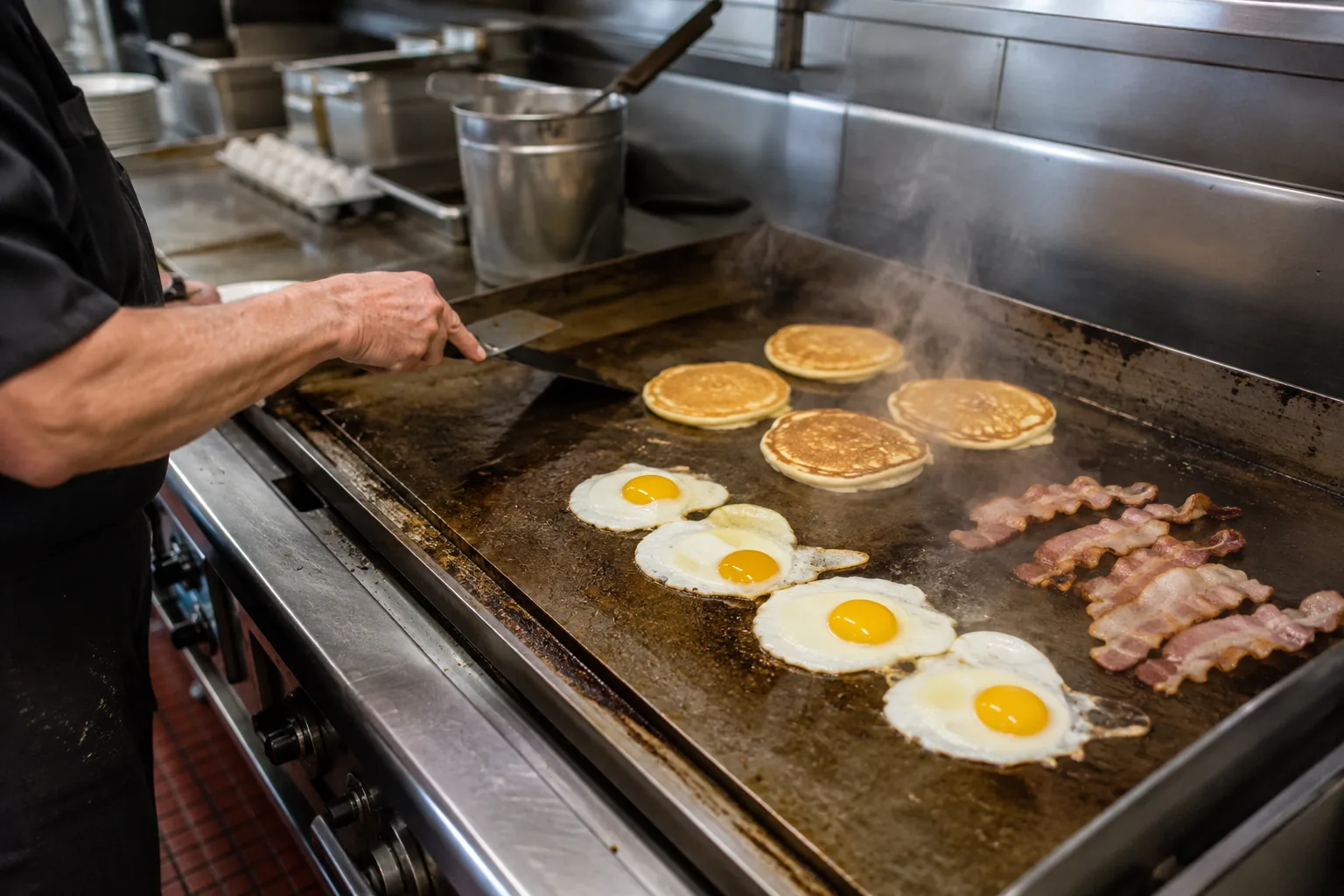
Diners and Breakfast Spots
Pancake batter, toast crumbs, shared grills, hash browns, omelet fillings, fryers, and fast turnover create a complicated preparation environment.
Steakhouses
Marinades, seasoning blends, sauces, shared grills, fries, bread service, and kitchen discipline still matter even when the center of the plate looks simple.
Seafood Restaurants
Breading, fryers, sauces, crab cakes, chowders, seasoning blends, grills, and shared utensils can turn a simple seafood order into a more complicated decision.
Coffee Shops
Syrups, blended drinks, toppings, oat milk, pastry cases, shared tongs, blenders, and food preparation may matter more than the coffee itself.
Bars and Pub Food
Beer, malt beverages, fryer-heavy menus, wings, nachos, mixed drinks, garnishes, and limited ingredient knowledge deserve a separate review.
Fast Food and Chains
Corporate allergen information can help, but each location still has its own equipment, staffing, preparation habits, and service pressures.
Hotel and Breakfast Buffets
Shared utensils, crumbs, guest behavior, food replenishment, labels, warming trays, and staff uncertainty make buffet service a separate risk pattern.
Airports and Travel Hubs
Limited time, reduced menus, concession operators, crowded kitchens, packaged food, and few backup choices change how restaurant risk must be managed.
Resorts and All-Inclusive Properties
Multiple restaurants, buffet service, centralized prep, language differences, advance planning, and communication between departments create their own challenges.
The guide library will grow as we complete the research and build pages that add something more useful than a list of foods that appear gluten-free.
How to Use These Guides
Use a cuisine or restaurant-type guide before everyone is hungry, seated, and waiting to order.
Start by identifying the dominant risk pattern:
- Is the restaurant heavily dependent on shared fryers?
- Is loose flour used throughout the kitchen?
- Are sauces, marinades, broths, or seasoning blends central to the food?
- Are proteins prepared in advance?
- Is food cooked on shared grills, woks, griddles, or preparation surfaces?
- Does the restaurant rely on buffet or self-service handling?
- Can staff explain the process, or are they repeating the menu label?
- Is the kitchen calm enough to handle a careful request?
Then use the guide to narrow the conversation. You do not need to ask every possible question. Ask the questions that match the restaurant’s actual workflow.
Questions That Usually Matter
The exact questions change by cuisine, but these are the ones we return to most often:
- Do you have a dedicated gluten-free fryer?
- What else is cooked in the fryer or oil?
- Is gluten-free pasta cooked in fresh water with a clean colander?
- Are gluten-free items prepared on a cleaned surface with clean utensils?
- Were the proteins marinated or seasoned in advance?
- Can you verify the sauces, marinades, broths, and seasoning blends?
- Is gluten-free bread or pizza prepared away from regular flour and crumbs?
- Can the order be cooked in a clean pan rather than on shared equipment?
- Does the kitchen understand cross-contact, or is the answer based only on the menu?
The goal is not to interrogate the server. It is to find out whether the restaurant can describe a real preparation process before you rely on the meal.
Answers That Build Confidence
Useful answers tend to be specific:
- “The fryer is shared with breaded food.”
- “We keep one protein un-marinated.”
- “The gluten-free pasta uses fresh water and a separate colander.”
- “We can use a clean pan and clean utensils.”
- “That sauce contains regular soy sauce, so we cannot use it.”
- “We cannot control the flour on the pizza line.”
A limitation is not a bad answer. It is information you can use.
Be more cautious when the response is only:
- “It should be fine.”
- “We have a gluten-free menu.”
- “Nobody has complained.”
- “The chef will know.”
- “We can just leave off the bread.”
Confidence is not the same as a controlled process.
Reality Check
No cuisine is automatically safe, and no restaurant type is automatically unsafe.
The practical risk comes from the ingredients, equipment, preparation workflow, staff knowledge, timing, and how seriously the restaurant handles the request.
A quiet lunch shift and a crowded dinner rush are not the same situation. Menus change. Suppliers change. Staff change. Equipment changes. A process described during one visit may need to be confirmed again later.
That is why these guides explain patterns and questions rather than making guarantees.