

Better-Than-Takeout Gluten-Free Kung Pao Chicken
Kung Pao chicken can be a rough order in a restaurant if you need to avoid gluten.
The problem usually is not the chicken.
It is the soy sauce, marinade, thickener, shared wok workflow, and whether the kitchen understands cross-contact well enough to answer real questions.
At home, you control more of the process.
That does not make every ingredient automatically safe, but it does make the meal easier to manage.
This version keeps the takeout-style flavor while using gluten-free ingredients you can verify yourself.
Why Kung Pao Chicken Is Often Risky in Restaurants
Traditional Kung Pao-style dishes often rely on ingredients that may contain gluten, including:
- Standard soy sauce
- Dark soy sauce
- Oyster sauce
- Hoisin sauce
- Shaoxing wine
- Bottled stir-fry sauces
- Premixed marinades
- Seasoning blends
- Shared wok sauces
Even when the sauce can be made gluten-free, restaurant workflow may still be a problem.
Shared woks, shared utensils, shared prep surfaces, and speed-service cooking can all matter.
That is why making it at home is often the better move.
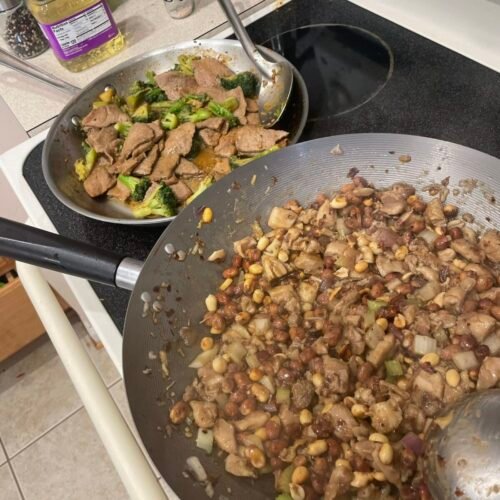
Better-Than-Takeout Gluten-Free Kung Pao Chicken
Equipment
- 1 Wok or Large Heavy Skillet A heavy steel pan or Dutch oven can work, although the ingredients may steam more than they fry.
- 1 Mixing Bowl
- 1 Small Bowl
- 1 Whisk
- 1 Spatula, what works with your Wok or Pot Use a wood or metal utensil suitable for your cookware and capable of scraping the cooking surface.
- 1 Chef Knife
- 1 Cutting Board Prepare the vegetables first, then the chicken, or clean the board thoroughly between them.
Ingredients
Chicken and Marinade
- 1 lb Skinless Boneless Chicken Thigh (thigh retains moisture with high heat)
- 1 tbsp Gluten-Free Tamari If you can't find the Tamaris 2-3 tbsp of GF Soy Sauce works
- 1 tbsp Cornstarch
- 1/4 tsp Baking Soda This give the chicken that velvety mouth feel and tenderizes
Sauce and Marinade
- 1.5 tbsp Gluten-Free Tamari (dark, or molasses modified) Normal will work too
- 1 tbsp Gluten-free Shaoxing substitute or dry sherry GF Shaoxing is very hard to find
- 2 tbsp Chinese Black Vinegar
- 1-2 tbsp White Sugar adjust to taste
- 1 tsp Sesame Oil
- 1-2 tsp Hot Chili Oil Optional adjust to taste
- 1/4 cup Water or Chicken Stock
- 1 tbsp Corn Starch
Stir Fry
- 2-3 tbsp Peanut Oil – cover bottom of Wok or pan Avocado oil works too. High heat and vegetable or seed oils taste bad and can be unhealthy if overheated
- 3-5 Dried Red Whole Chilis Used to Season the Oil
- 1 Small-Medium Onion Chop fine, peanut sized
- 1 Green Pepper Chop fine, peanut sized
- 1 Red Bell Pepper Chop fine, peanut sized
- 1 tbsp Ginger, freshly grated or finely chopped
- 4 Green Onions, greens separated from whites
- 3 Garlic Cloves, minced
- 1-2 tsp Ground Sichuan Peppercorns adjust to taste, strong stuff
- 1 cup Unsalted Peanuts or fresh roasted If you use salted, adjust Soy Sauce
Instructions
Prepare the Chicken and Sauce
Marinate the chicken
- Cut the chicken into ½- to ¾-inch pieces. Combine it with 1 tablespoon light gluten-free tamari and 1 tablespoon cornstarch. Mix until evenly coated and let it rest for 10 to 15 minutes while preparing the sauce and vegetables.
Mix the Sauce
- Whisk together the dark gluten-free tamari, verified gluten-free Shaoxing wine or dry sherry, verified gluten-free black vinegar or rice vinegar, sugar, sesame oil, optional chili oil, water or chicken stock, and 1 tablespoon cornstarch. Set aside and whisk again immediately before adding it to the wok.
Cook the Kung Pao Chicken
Heat the Wok/Skillet
- Have every ingredient ready before heating the wok. Once cooking begins, the ingredients must be stirred or turned frequently.Heat the wok or skillet over medium-high to high heat. When hot, add enough peanut or avocado oil to coat the cooking surface.
Flavor the oil
- Add the whole dried chilies and cook for approximately 15 to 30 seconds. Watch closely; they can burn quickly. Burnt = Bitter
Cook the Chicken
- Add the chicken. Cook, stirring or turning regularly, until browned and cooked through. Transfer the chicken to a clean plate and set aside. Keep it moving.
Cook the Vegetables
- Add more oil if the wok is dry. Add the onion and cook until it begins to soften. Add the garlic, ginger, white portions of the green onions, and bell peppers. Cook for 2 to 3 minutes, stirring frequently. The peppers should soften slightly while retaining some texture.
Combine the Dish
- Return the chicken to the wok. Add the peanuts and ground Sichuan peppercorns. Whisk the sauce again, pour it into the wok, and stir continuously for 1 to 2 minutes, until the sauce thickens and coats the chicken and vegetables.
Finish and Serve
- Stir in the green portions of the onions. Taste and adjust the seasoning if needed. Serve immediately over rice or with another gluten-free side.
Notes
Simple Serving Options
This works well with:
- White rice
- Brown rice
- Rice noodles
- Steamed broccoli
- Stir-fried vegetables
- Lettuce cups
Keep the sides simple.
The sauce is the point.
Travel Version Reality Check
This is not a hotel-room coffee-pot recipe.
Kung Pao chicken needs real heat, a pan, prep space, and safe ingredients.
For travel, this recipe makes more sense in a rental kitchen, extended-stay hotel, RV, or at home before a trip.
For hotel-room survival meals, use simpler food with less prep and fewer sauce risks.
Gluten-Free Safety Notes
The gluten risk in Kung Pao chicken usually comes from the sauce, not the chicken.
Before cooking, check every ingredient that carries flavor or thickens the sauce:
- Gluten-free tamari
- Chicken broth
- Chili sauce
- Cornstarch
- Nuts
- Any bottled sauce substitution
Do not swap in regular soy sauce, standard stir-fry sauce, hoisin sauce, oyster sauce, or premixed Asian sauce unless the label clearly says gluten-free.
Use clean cookware, clean utensils, and a clean cutting board. If your kitchen also handles gluten, be careful with shared condiments, crumbed-up jars, cutting boards, wooden spoons, and anything that may have touched bread or flour.
Why Make This at Home
Restaurant Kung Pao chicken is hard to verify because the gluten risk is built into the normal workflow: soy sauce, marinades, wok sauces, shared utensils, and fast service.
At home, you control the sauce, the pan, the utensils, and the ingredients.
That is the point of this recipe.
It gives you a safer replacement for a takeout dish that is often difficult to order gluten-free with confidence.
Final Note
This is not a complicated recipe, and it does not need to be.
The goal is simple: chicken, sauce, heat, rice, and enough flavor to scratch the takeout itch without gambling on mystery ingredients.
Read the labels, keep the prep clean, and do not trust shortcut sauces unless they are clearly marked gluten-free.