

How to Eat Gluten-Free at an Italian Restaurant
Gluten-free pasta and pizza can be workable, but pasta water, flour-heavy prep, shared pans, pizza ovens, sauces, fryers, bread service, and rushed kitchen routines all require separate questions.
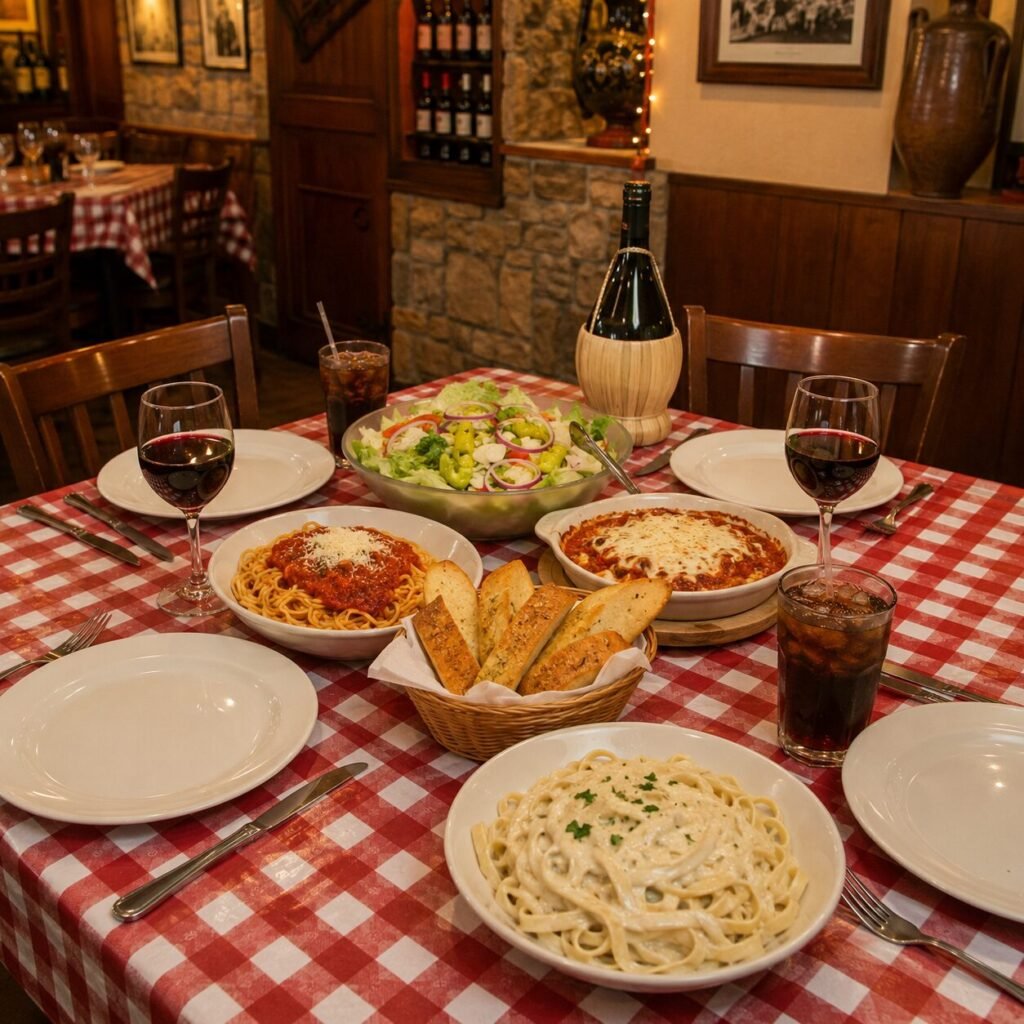
Italian food can look easy to modify.
Skip the bread. Order gluten-free pasta. Choose the gluten-free crust.
The problem is that wheat is not limited to one item on the menu. It is often built into the kitchen’s normal rhythm through pasta water, flour-dusted work areas, pizza stations, bread service, sauce handling, pans, utensils, fryers, and cutting tools.
That does not make every Italian restaurant unusable. It means the useful questions begin after the restaurant says it offers gluten-free pasta or pizza.
The replacement product matters. The process around it matters more.
Reality Check
Italian restaurants are often higher-risk environments for strict gluten-free dining because pasta, bread, pizza dough, flour, and crumbs may move through much of the kitchen.
The main questions usually involve two separate systems:
- Pasta preparation
- Pizza preparation
A restaurant may handle one well and the other poorly. Ask about them separately.
This guide explains common patterns. It does not certify a restaurant or guarantee that a meal will work for every diner.
Why Italian Kitchens Require Extra Questions
In many Italian restaurants, regular pasta, bread, and pizza dough are prepared continuously. Gluten can move through water, strainers, countertops, pans, utensils, oven surfaces, pizza peels, topping bins, cutters, and table service.
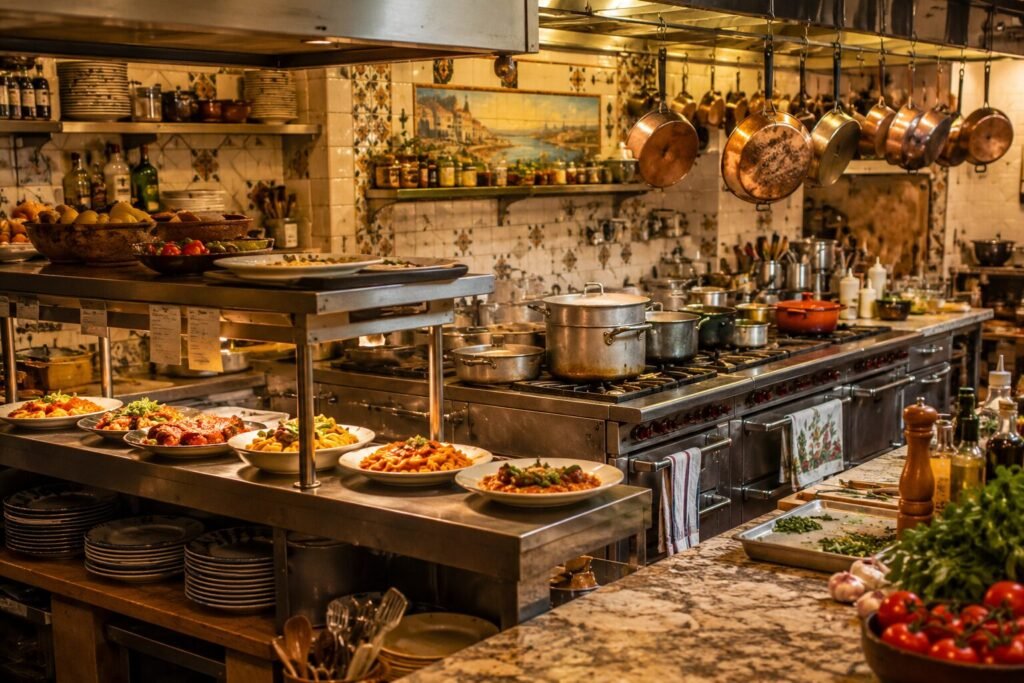
Common risk points include:
- Shared pasta water and strainers
- Shared sauté pans and stirring utensils
- Flour on counters and pizza-prep surfaces
- Shared pizza ovens, peels, screens, trays, and cutters
- Sauce ladles used across regular and gluten-free pasta
- Bread crumbs on tables and serving areas
- Shared fryers used for breaded foods
- Staff moving rapidly between regular and gluten-free orders
A gluten-free menu can help identify possibilities. It does not explain whether the kitchen can keep those possibilities separate through preparation, cooking, and service.
For a broader restaurant decision process, read I’m Hungry: What Are My Gluten-Free Restaurant Risks?
Do not ask only:
“Do you have gluten-free pasta or pizza?”
Ask:
“How is it prepared, cooked, finished, and served?”
Gluten-Free Pasta: The Product Is Only the Beginning
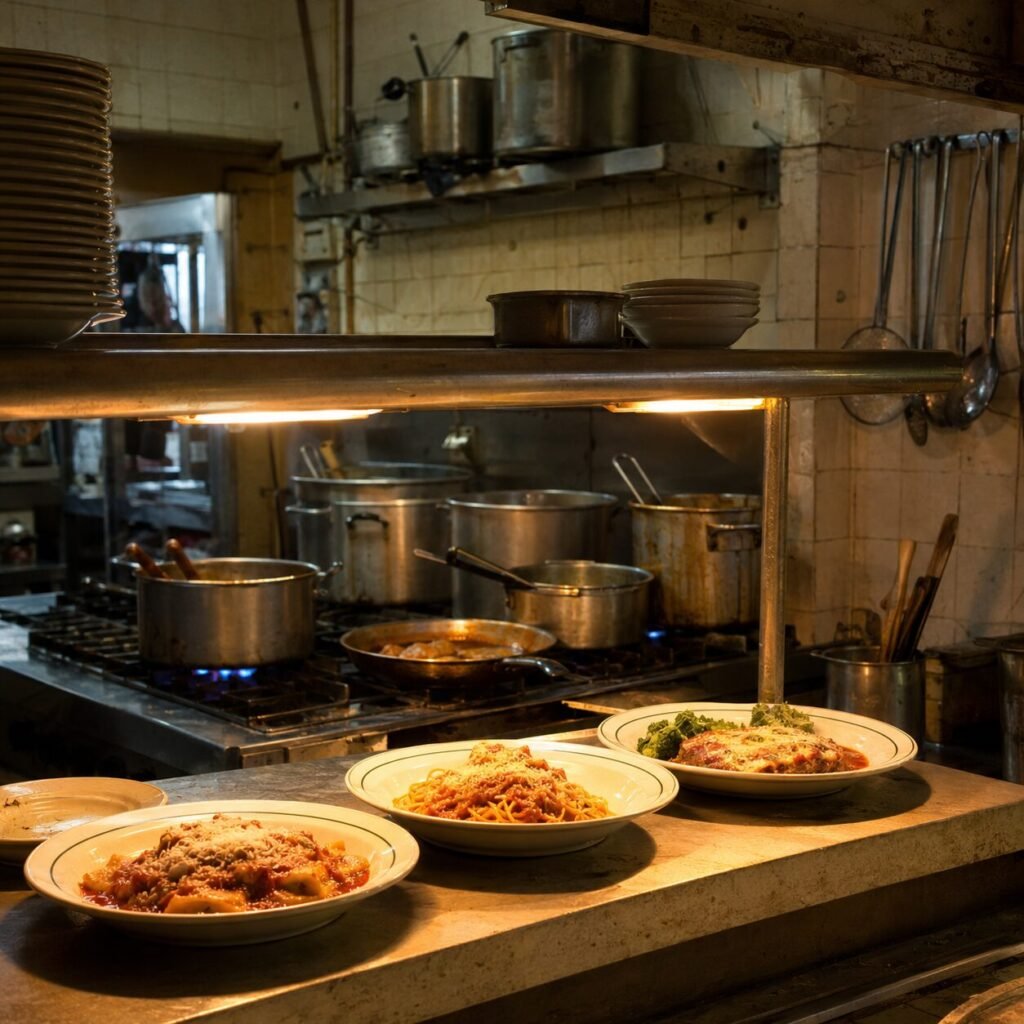
Many restaurants now keep gluten-free pasta. That is useful, but it does not establish how the pasta is cooked.
Regular pasta releases wheat starch and residue into cooking water. If gluten-free pasta is cooked in the same water, the separate pasta product does not remain separate.
The same concern applies to:
- Strainers and colanders
- Stirring utensils
- Sauté pans
- Shared pasta baskets
- Sauce ladles
- Finishing surfaces and plating tools
The pasta itself may be gluten-free. The kitchen process may not be.
Questions to Ask About Gluten-Free Pasta
- Is the gluten-free pasta cooked in fresh, separate water?
- Is a separate strainer or basket used?
- Are separate utensils used during cooking?
- Is the pasta finished in a clean pan?
- Can the sauce ingredients be verified?
- Is the sauce ladled or finished separately from regular pasta?
- Was any meat, seafood, or vegetable prepared with flour or breadcrumbs?
A useful answer describes the process.
“We cook it in fresh water, use a separate strainer, and finish it in a clean pan” gives you information.
“We have gluten-free pasta” only tells you what the restaurant purchased.
Sauces, Meatballs, Sausage, and Other Hidden Problems
Sauce may look like the straightforward part of an Italian order. Sometimes it is. Other times it introduces ingredients or shared handling that are not obvious from the menu.
Ask about:
- Flour-thickened or commercially prepared sauces
- Broths, bouillon, and soup bases
- Meatballs made with breadcrumbs
- Sausage containing fillers or seasoning blends
- Chicken, veal, seafood, or vegetables dredged in flour
- Shared sauce ladles touching regular pasta
- Sauces finished in pans used for regular pasta
- Shared garnish stations and serving utensils
A simple marinara may be easier to verify than a cream sauce, meat sauce, or house specialty, but no sauce should be assumed safe from the name alone.
Separate pasta does not help if the sauce or finishing process introduces gluten.
Pizza Is Usually the Harder Problem
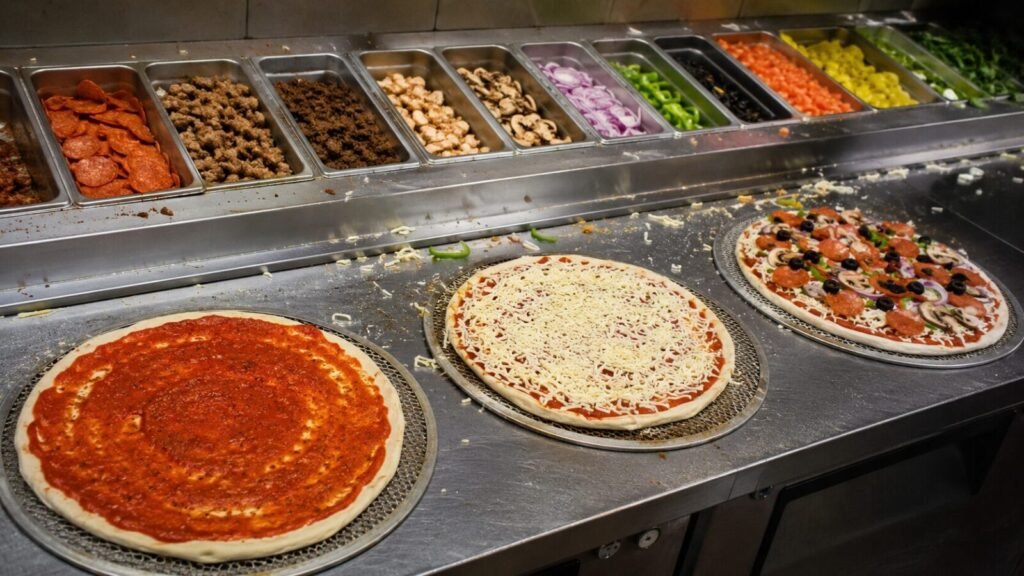
A gluten-free crust solves one problem. It does not solve the flour-heavy kitchen around it.
Pizza stations may have loose flour on counters, hands, topping bins, sauce containers, peels, pans, oven surfaces, and cutters.
Common pizza concerns include:
- Flour in the preparation area
- Shared counters and prep tables
- Shared sauce and topping containers
- Staff handling regular dough before gluten-free crusts
- Shared pizza peels, trays, screens, and pans
- Direct contact with a shared oven floor
- Shared cutters and serving tools
“We offer a gluten-free crust” is only a starting point.
A stronger explanation sounds more like: “We prepare it in a separate area, use controlled toppings, bake it on a dedicated pan, and cut it with a clean cutter.”
The Pizza Oven Question
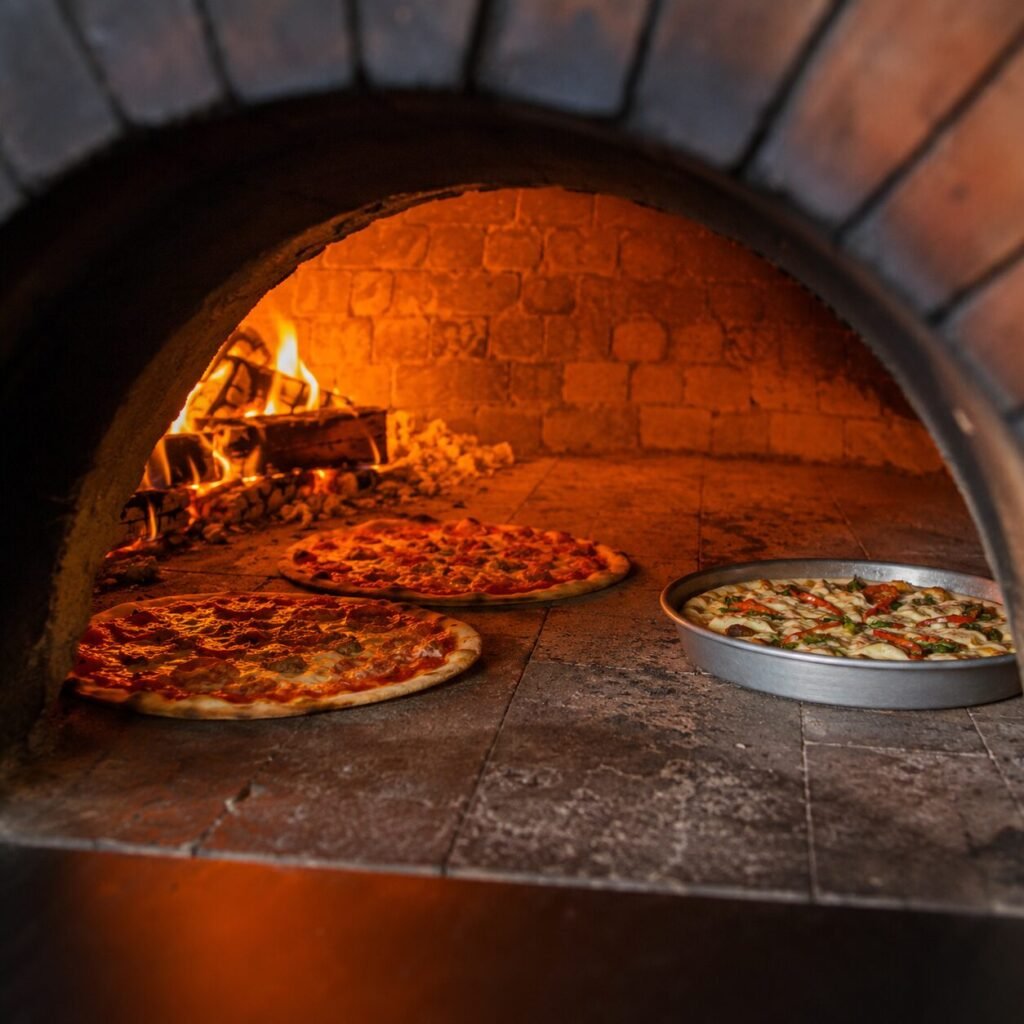
Many regular pizzas are placed directly on a deck or oven floor that may contain flour, semolina, crumbs, ash, and baked dough residue.
A shared oven is not automatically the same as direct contact with that shared surface.
A dedicated tray, pan, screen, or other protective surface can keep the gluten-free crust off the oven floor. The restaurant still needs controlled preparation, toppings, handling, and cutting.
Questions to Ask About Gluten-Free Pizza
- Is the gluten-free pizza prepared in a separate or thoroughly cleaned area?
- Are the sauce and toppings protected from regular flour and dough?
- Do staff change gloves before handling it?
- Is it baked on a dedicated tray, pan, or screen?
- Does it avoid direct contact with the shared oven floor?
- Is a clean or dedicated cutter used?
- Is it boxed or plated away from regular pizza and bread?
Wiping a flour-heavy surface is not the same as having a controlled preparation area.
A Gluten-Free Crust Is Not a Gluten-Free Process
A pizza can begin with a gluten-free crust and still move through regular flour, shared toppings, a shared oven floor, and a regular cutter.
Ask about the entire path from the package to the plate or box.
Bread Service Can Change the Table Before You Order
Italian restaurants often bring bread automatically. That can place crumbs, baskets, shared dipping oil, and bread-handling utensils on the table before the meal begins.
Common concerns include:
- Crumbs on the table or near your place setting
- Bread baskets placed beside gluten-free plates
- Shared oil, butter, spreads, or appetizers
- Companions dipping bread into shared dishes
- Crumbs transferred by hands, napkins, or utensils
Ask the server not to bring bread, or keep it well away from your side of the table. Shared appetizers and dipping dishes may need their own plan.
Shared Fryers Create a Separate Risk
Italian menus often include calamari, arancini, breaded cutlets, fried mozzarella, seafood, zucchini, eggplant, and other breaded or battered foods.
If these foods share oil with an item that begins without gluten, the fryer becomes part of the decision. A separate basket does not create separate oil.
Ask whether the restaurant has a dedicated gluten-free fryer and what else is cooked in it.
Read Shared Fryers and Gluten-Free Food: What Actually Matters for the full fryer explanation.
What Usually Works Better
There is no universal low-risk order at every Italian restaurant. There are only better starting points that still require verification.
- Gluten-free pasta cooked in fresh water with separate tools
- A verified sauce handled away from regular pasta
- Plain grilled fish, chicken, or steak prepared without flour or breading
- Vegetables cooked in a clean pan with clean utensils
- Salad without croutons and with verified dressing
- Risotto only when broth, ingredients, ladles, and finishing steps are confirmed
- Gluten-free pizza prepared separately, baked on a protective surface, and cut with a clean cutter
The simpler-looking dish is not always the more controlled dish.
The better order is the one the kitchen can explain clearly.
What Usually Fails
- Gluten-free pasta cooked in shared water
- Pizza placed directly on a shared oven floor
- Meatballs, sausage, or sauces with unverified ingredients
- Breaded or fried items from a shared fryer
- Chicken, veal, seafood, or vegetables dredged in flour
- Lasagna, ravioli, gnocchi, or filled pasta without specific verification
- Shared antipasto boards containing bread or crackers
- Desserts without clear ingredients and handling information
Some of these dishes can be prepared gluten-free in the right kitchen. They should not be assumed workable by default.
Questions That Actually Matter
For Pasta
- Is the pasta cooked in fresh water?
- Is a separate strainer used?
- Is it stirred with separate utensils?
- Is it finished in a clean pan?
- Can the sauce ingredients and handling be verified?
For Pizza
- Is the crust prepared away from regular flour and dough?
- Are sauce and toppings protected from cross-contact?
- Is the pizza baked on a dedicated tray, pan, or screen?
- Does it avoid direct contact with the oven floor?
- Is a clean cutter used?
For the Rest of the Meal
- Are fryers shared with breaded food?
- Are meats, seafood, or vegetables dredged in flour?
- Can bread be kept away from the table?
- Can the kitchen mark the order clearly?
- Who can verify sauces, broths, seasonings, and preparation?
You do not need a perfect restaurant. You need answers specific enough to understand what the kitchen can and cannot control.
Useful Answers and Red Flags
Useful answers describe a real process:
- “We use fresh water and a separate colander.”
- “The sauce is verified and finished in a clean pan.”
- “The pizza stays on a dedicated tray.”
- “We use a clean cutter.”
- “The fryer is shared, so we do not recommend the fried items.”
- “We cannot control the flour on the pizza line.”
Be cautious when the answer is only:
- “We have gluten-free pasta.”
- “The crust is gluten-free.”
- “We wipe the surface.”
- “The heat burns it off.”
- “Nobody has complained.”
- “It should be okay.”
Vague confidence is not a preparation process.
Takeout and Delivery Require More Caution
Takeout removes much of the real-time conversation. You may not be able to confirm who handled the order, whether instructions reached the kitchen, or how the food was packed.
Common takeout problems include:
- Pasta finished quickly in shared pans
- Pizza cut with the regular cutter
- Bread packed beside gluten-free food
- Instructions missed during a rush
- Containers stacked or handled together
- Sauces or side items mixed up
Delivery apps are ordering tools. They are not cross-contact control systems.
If the restaurant cannot explain its process in person or by phone, ordering through an app does not make the process more reliable.
The Bottom Line
Italian food can work for gluten-free diners when the restaurant controls the complete preparation process.
Pasta may be workable when it is cooked in fresh water with separate tools and finished with a verified sauce in a clean pan.
Pizza is often harder because flour, toppings, preparation surfaces, oven contact, and cutting all need attention.
Bread service, fryers, sauces, meatballs, shared pans, and busy service add separate concerns.
The menu identifies the option. The kitchen process determines whether the option works for you.